


Downstream Investment in India: FOCC, FEMA Rules, Form DI, and Compliance Guide
Downstream Investment is one of the important aspects of India’s foreign investment framework because the Indian entity receiving the investment may need to comply with the same foreign investment conditions that would apply if the investment had been made directly by a non-resident.
Foreign investment in India does not always happen directly from a foreign investor to an Indian company. In many cases, they reach Indian businesses through another Indian entity. This is known as Downstream Investment.
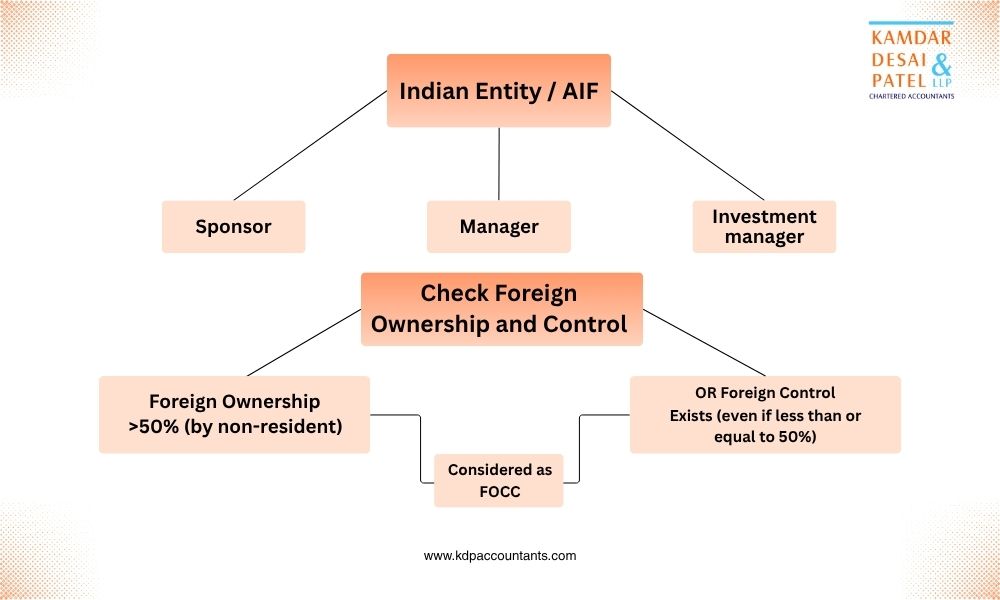
What is a Foreign Owned and Controlled Company (FOCC)
FOCC is an Indian company that is controlled by a person who’s resident outside India. For ownership, the RBI framework considers Indian company to be owned by NRIs, where the holding of equity is more than 50%. Control refers to appoint a majority of directors or control management or policy decisions through shareholding or voting agreements.
Therefore, Indian company may be considered foreign-owned where foreign ownership exceeds 50%.
What is Downstream Investment in India
Downstream investment occurs when an Indian entity that has received foreign investment invests in the capital instruments of another Indian company. In simple terms, it is an indirect foreign investment made through an Indian company rather than directly by a foreign investor.
For example, if a foreign investor holds a controlling stake in an Indian company (making it an FOCC) and that company invests in another Indian business, the investment in the second company is treated as indirect foreign investment.
Key FEMA Rules Applicable to Downstream Investment
Businesses making downstream investments should consider several regulatory requirements before completing the transactions:
1. Sectoral Caps:
This refers to the maximum level of foreign investment allowed in specific sectors.
2. Entry Routes:
Depending on the sector, foreign investment may be permitted through the automatic route, while others require government approval.
3. Pricing Guidelines:
Investments must follow pricing norms prescribed by the Reserve Bank of India (RBI).
4. Source of Funds:
Investments must be funded either from foreign funds received by the company or from its internal accruals.
Timeline and Steps for Filing Form DI
Form DI is filed with the RBI within 30 days of allotment or acquisition of shares. Steps for Filing Form DI is below:
1. Entity Master and single master form registration in the FIRMS portal.
2. DPIIT filing
3. DI filing
What is INVI Filing
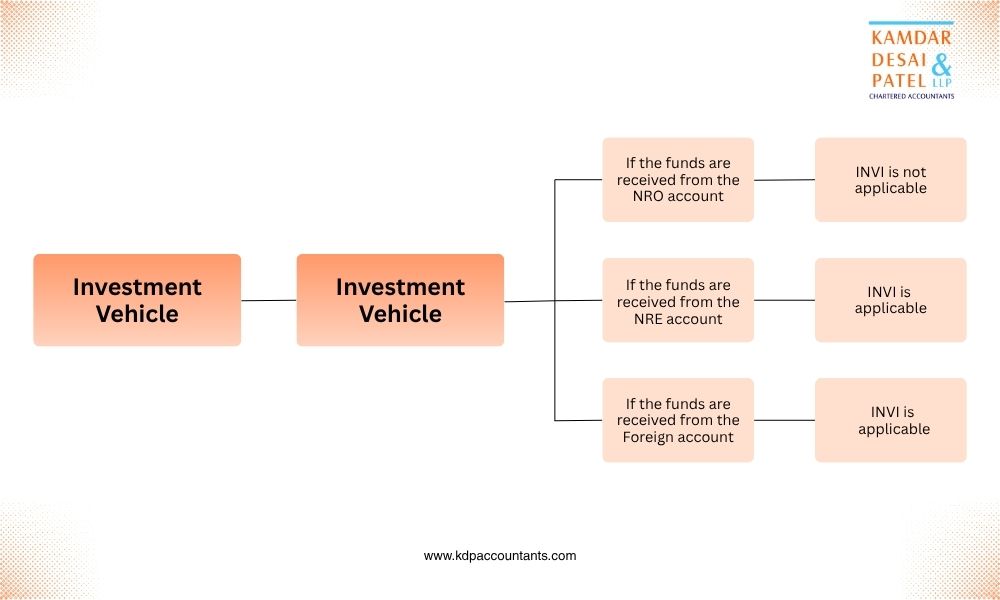
When a foreign investor invests in an Indian investment vehicle. If the units are allotted to a Non-Resident Indian (NRI) and the funds are received from their NRE or foreign account, INVI filing is required. It must be filed within 30 days from the date of allotment of units. The details of such investments must be reported to the Reserve Bank of India (RBI) through the RBI’s FIRMS portal.
Conclusion
Downstream Investment is an important aspect of India’s foreign investment framework. Understanding FOCC status, applicable FEMA regulations, pricing, and reporting requirements is essential for ensuring a compliant investment structure.
Looking to make a downstream investment in India? At KDP Accountants we assist with structuring, FEMA compliance, filings, and ongoing compliance support. Connect us at enquire@kdpaccountants.com.
FAQs
What is Downstream Investment in India?
DI investment is an investment made by an Indian entity that has received foreign investment, or by an investment vehicle, to another Indian entity.
What is FOCC?
FOCC stands for Foreign Owned and Controlled Company this is an Indian company that is controlled by a person who is a resident outside India.
What is Form DI?
Form DI is required to be filed with the RBI within 30 days from the date of allotment of equity.
What is Form InVi?
Form InVi is a reporting form applicable to an Investment Vehicle that has issued units to a person resident outside India, with the prescribed filing timeline being 30 days from the issue of units.

Krisha Mehta
Author
Krisha is a CMA Intermediate aspirant currently gaining hands-on experience at Kamdar Desai and Patel LLP, where she works in the domain of Foreign Exchange Management Act, 1999 (FEMA). She has developed a strong interest in cross-border financial transactions and has been exposed to key areas such as foreign investments, Overseas Direct Investment (ODI), External Commercial Borrowings (ECB), and regulatory reporting under the Reserve Bank of India (RBI) framework through her practical training.
Keen to build deeper expertise in FEMA compliance, foreign investment regulations, and cross-border advisory. With a proactive learning approach and attention to detail, she aims to provide thoughtful insights and grow as a professional in the field of global finance.